
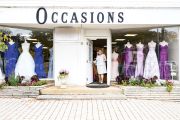





Photo Credit: The Dear Darling Co., www.thedeardarling.com
Solopreneurs are a rare breed in bridal retail.
After all, the daily challenges of running a boutique, including merchandising, advertising and selling, could keep a full-time staff of many busy around the clock.
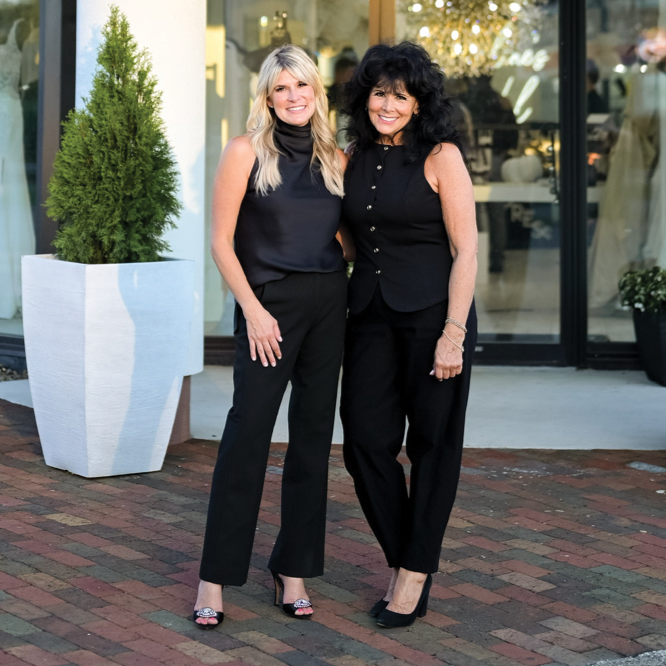
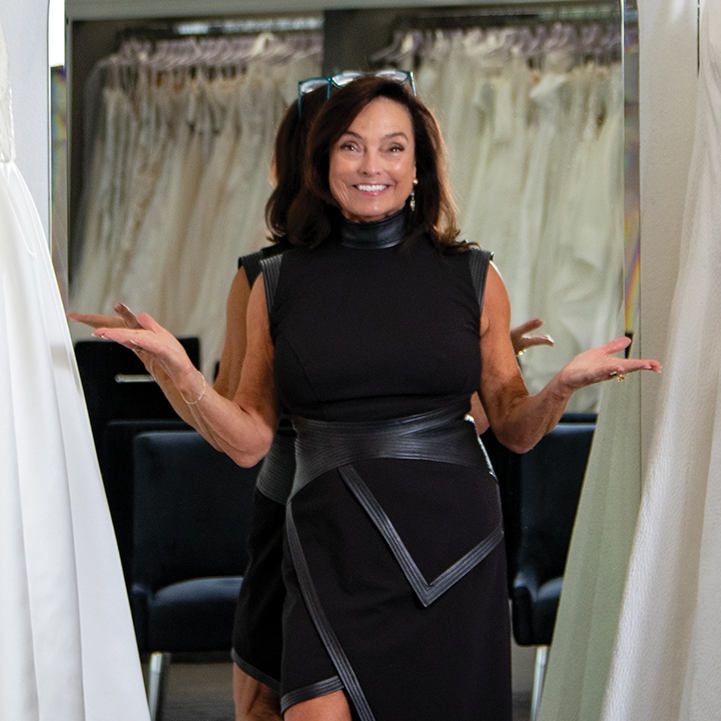
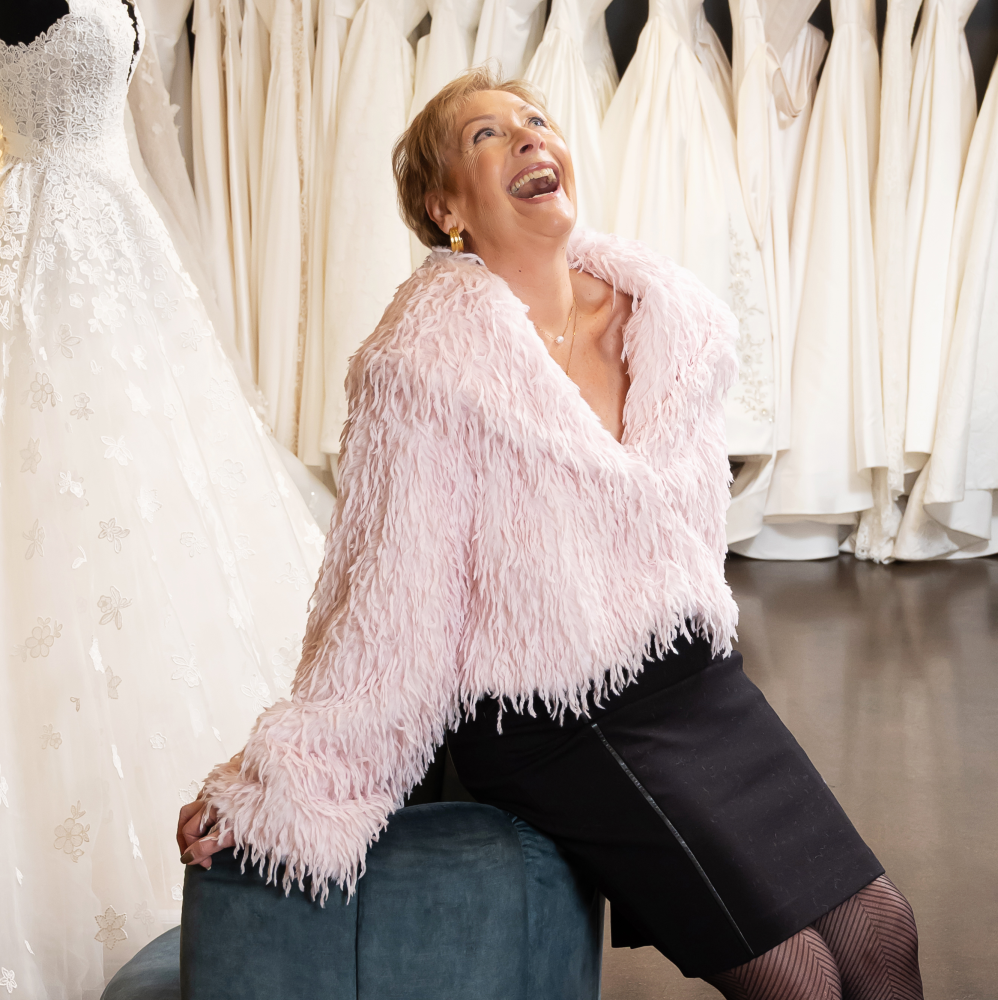
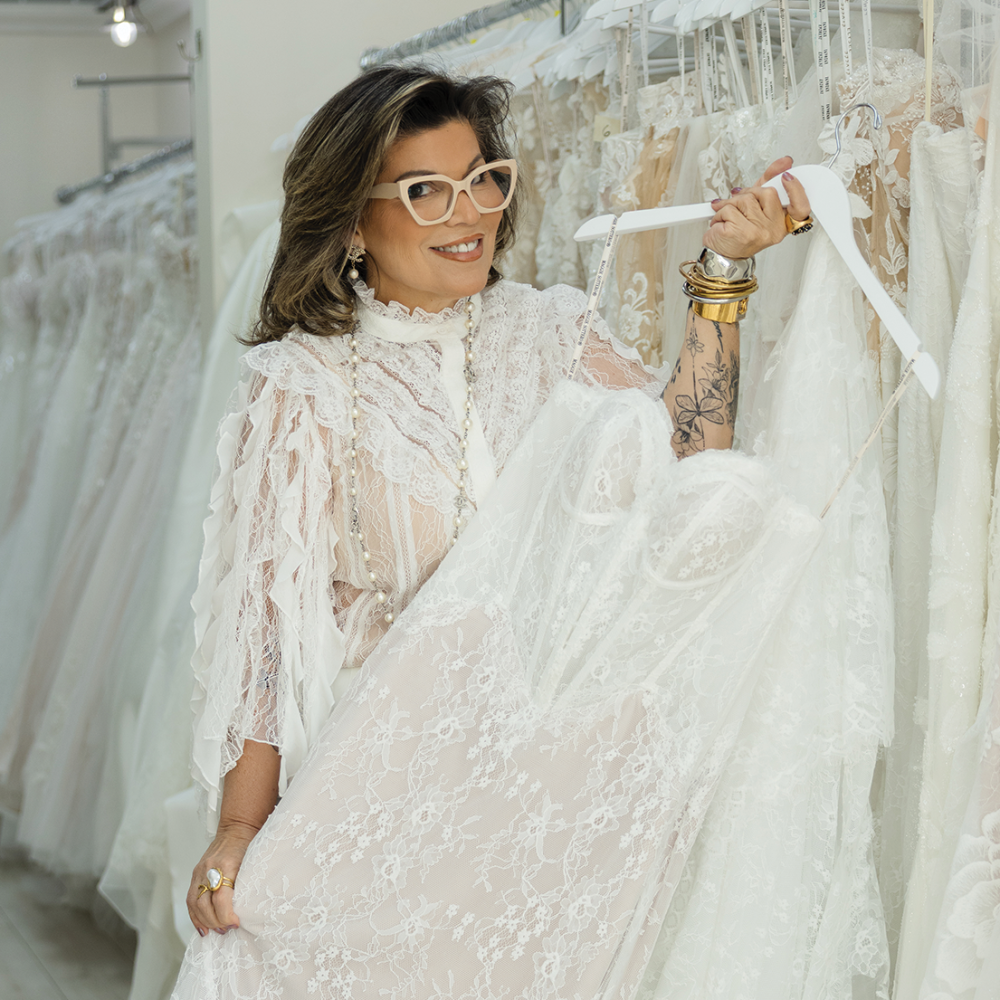
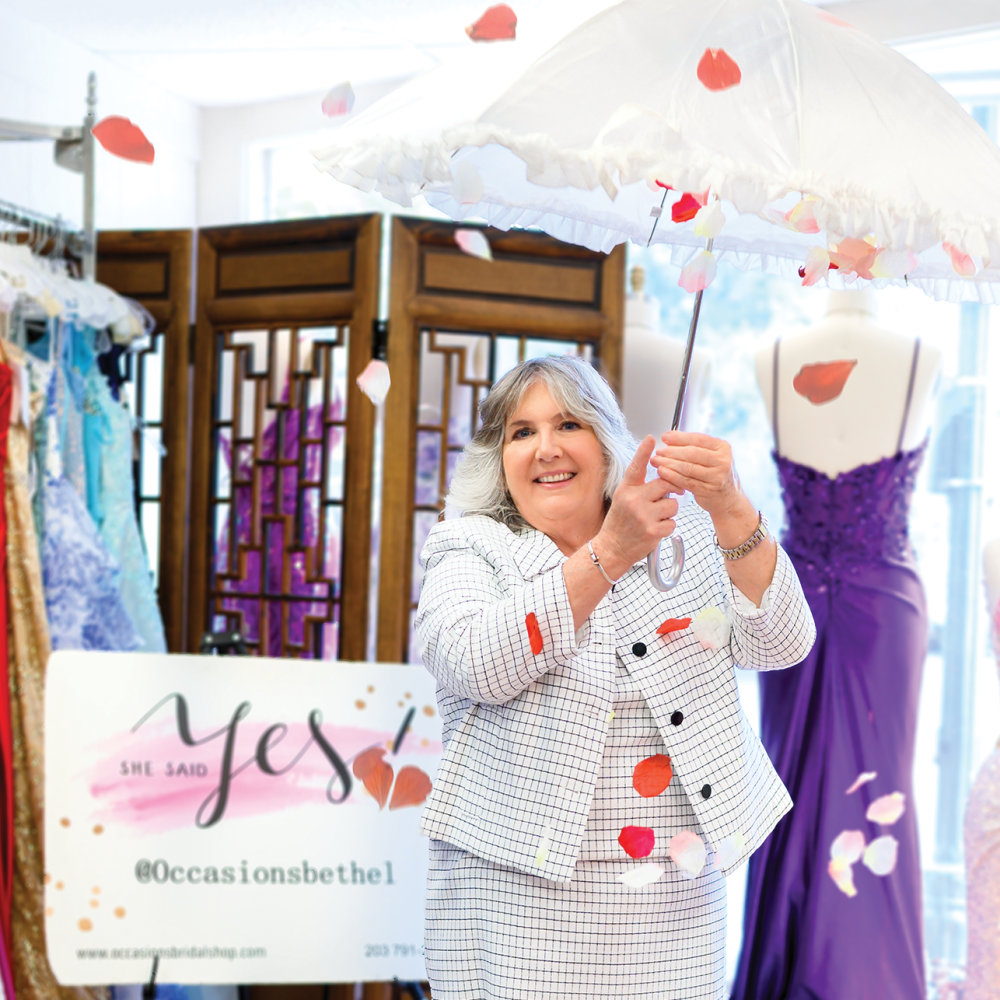
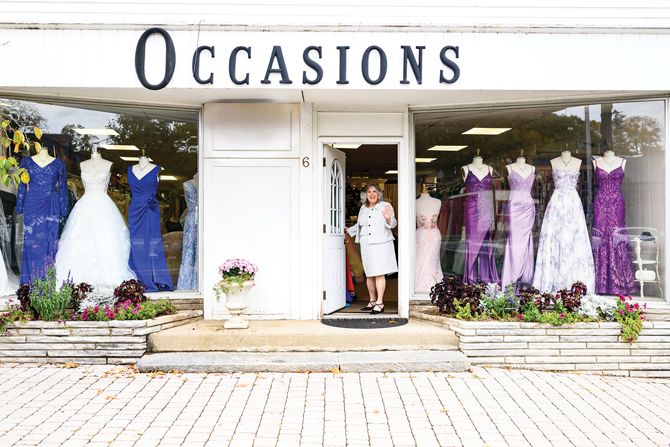
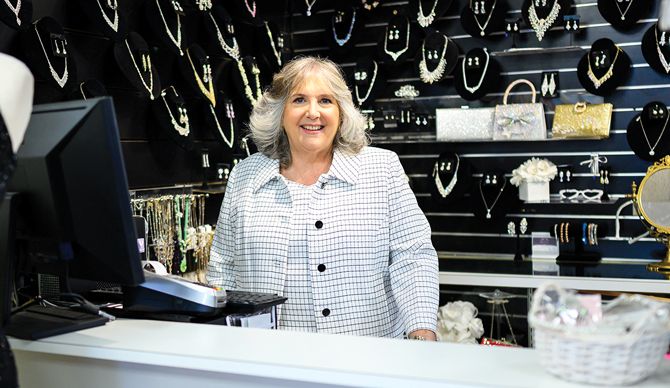
Gail Furniss is one of those unicorns. The 63-year-old owner of Occasions Bridal and Eveningwear in Bethel, Conn., runs and operates her 1,400-square-foot boutique solo, managing all aspects of the successful business while maintaining close relationships with her four grown kids.
She didn’t start out that way in 1987 when Occasions first opened its doors. But after COVID, life necessitated the change. And with it came invaluable lessons on thriving, not only as a solopreneur but also in a small space: Making the most of every square foot. Creating an amazing customer experience. Buying smartly.
And, her secret sauce: passion.
“The most important thing I have found is you have to really love what you do,” Gail says. “And honestly, this is my happy place; I just really love being here and I really love my customers. And I think, ultimately, that shows through.”
Meant to Be
Growing up, Gail was always sketching or doodling dresses. She even went to the Singer sewing camp to feed her passion for making things.
Later, she studied Fashion Merchandising at Berkley Junior College, and – aside from a brief stint selling real estate - always worked in a bridal shop.
“And I just loved it,” she says. “I have always really loved selling as well as bridal; I worked in maybe four different bridal stores overall.”
Then, when she was 24, an opportunity presented itself: A vacant storefront became available and she jumped on it.
“When you’re young you’re just invincible and you don’t really think about it,” she says. “Plus, it was the height of the Princess Di era and it just seemed like the perfect time to open a bridal store.”
The initial 600-square-foot version of Occasions was born in 1987 in the heart of downtown Bethel, Conn. Gail’s previous exposure to bridal retail meant she had a good understanding of brands, merchandise and operations heading into things.
“It was kind of easy for me to just walk in and set things up,” she says. “But there were a lot of learning curves in buying merchandise that was going to sell as opposed to what I personally liked.”
Another early challenge was market saturation. Despite the fact Bethel is a small town, it has a lot of bridal shops. In fact, when Gail opened her store, another opened two minutes down the road at the same exact time.
“So that was really tough,” she says. “I learned a lot in that first year, and I remember being pretty scared. But then it just kind of took off because in the 80s you could do no wrong. People were really embracing weddings and it was a big time in bridal.”
Things went so well, in fact, that Occasions outgrew its original location in less than a year. Gail moved next door into a bigger 1,400-square-foot boutique, where Occasions has remained to this day.
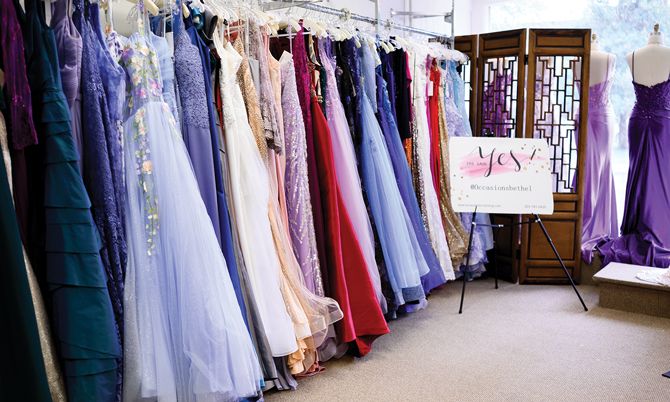
It sells three main niches: bridal, prom and moms, with sales evenly divided about 1/3 to each. In addition to carrying both branded and private-label gowns, Occasions also has its own signature collection, started about 15 years ago, featuring dresses created from scratch and existing dresses that have been modified to suit a customer’s preference.
“I think that’s the reason a lot of brides buy from me,” she says. “It brings out that creative, fun aesthetic since I like to design and create, and it sets me apart from another store that says: well, this is the dress.”
Gail distinguishes her boutique in key ways. First, she makes an effort to really get to know her customers and build a relationship with them before starting the sales process.
“I’m a chatterbox, and people take it as just being friendly but every little nugget I get is helping me build trust and understand that customer and what they’re looking for better” she says. “Then you’re not just aimlessly pulling out merchandise.”
Secondly, she immediately takes the pressure off, to make people feel comfortable.
“I tell everyone: Today we’re just going to have fun!” she says. “We’re going to have a little field trip and go through the dresses. It’s like Harry Potter’s wand: Your dress is going to pick you!”
Finally, Occasions boasts a party-like atmosphere: every time a prom girl buys a dress, she gets to pop a giant balloon that showers her in confetti (brides get showered in rose petals). This was based loosely on a store Gail remembers from childhood called Markoff’s. Everyone wanted to go there, she says, because if you bought a pair of shoes you got to ride the carousel and get a balloon on a stick.
“I really wanted to highlight my customers and bring those warm fuzzies to them they’ll always remember,” she says. “And people just love it. It’s really funny how much joy that little balloon brings!”
There’s also a marketing benefit.
When said pics get tagged on Instagram, “you’d be surprised at how viral they can go,” Gail says. “It acts as a virtual fashion show because everyone sees all the new dresses. People constantly come in saying, ‘OMG I saw my friend just bought a dress here and I want to shop here too!”
One-Woman Show
In the height of the 90s, Occasions was really busy, with lines for fitting rooms and people even changing in the bathroom during prom season. Gail always had a staff of two to four working with her.
Then COVID-19 hit and the women who had been with her for more than 20 years decided, for various reasons including health issues and homeschooling duties, they didn’t want to come back. Gail suddenly found herself in a very different position: by herself.
She definitely wasn’t willing to give up the business she describes as “my happy place”, but the reality of working solo necessitated several changes, including the decision to go appointment only. Despite this she still gets walk-ins and, if possible, makes the strategic decision to accommodate them.
“You’d be surprised – a lot of walk-ins will buy, whereas appointments have 10 appointments at other stores throughout the day and aren’t ready to buy yet, so I hate to turn away a walk-in,” she says.
While being a solopreneur definitely has its benefits – people love working directly with the owner because it makes them feel recognized in a way they typically don’t at larger stores, Gail says - the main challenge is wearing a lot of hats. While former employees occasionally help fill in during prom season, being on her own largely means powering through tasks she doesn’t always feel like doing and developing a good workflow.
“You have to know why you want to be in this business, lean into what you’re good at and outsource things you don’t enjoy,” she says. “That’s really going to help keep you excited.”
One of Gail’s main strengths is her personality.
“It was funny – one day when I was only in my 40s someone said, ‘Oh, you’re so mumsy!’ and I thought, OMG, what a horrible thing to say!” she says. “But I think what they meant was I’m comfortable, warm and inviting. I think that really helps set people at ease.”
She outsources numbers work to an accountant, who has been with her more than 30 years, and receives social-media and computer help from her children Ricky, Elizabeth, Benjamin and Samuel. There are many things she has learned about thriving as a small store, including don’t overbuy.
“That’s a big, big mistake,” she says.
Aside from the expense, “your store will get cluttered, it’ll start looking dated and you’ll be in a lot of trouble,” she says. “When you go to market you must know your vendors and they have to understand you’re a small store and don’t have the same buying power for one brand.”
It’s also crucial to know your numbers, including how much you sell in a category and also your expenses “because numbers never lie,” she says.
Gail is always examining how she is doing in each category and what specifically is attributing to that. As well, she carefully examines office expenses and operating costs, looking for ways to cut back even on little things such as trash, lights or hangers.
“We’re not making the money we made in the 90s any longer, so it’s really important that you have to know where you can cut and how you can make your numbers work,” she says.
Next, to combat the loneliness that can come from working alone, she advises retailers build a network of fellow store owners to converse with. Market and trade shows are invaluable for this.
Years ago, Gail – whose closest industry friend is someone she met at market 10 years ago - joined with a few stores to form a Zoom group during prom season to share marketing ideas and spot trends, which met weekly for months.
“It was incredibly enriching,” she says. “And be very honest with whomever you do align with because it’s infuriating when someone is telling you how amazing they’re doing and they’re lying. You must have somebody who is honest with you and is willing to share information openly.”
Finally, every time you go somewhere as a customer, take something away from that experience. Whether having her car serviced or buying a piece of furniture, Gail will pay attention to how she was treated and felt entering that establishment.
“That has really helped me in my sales performance and how I want people to feel when they come in,” she says.
Making the Most of a Small Space
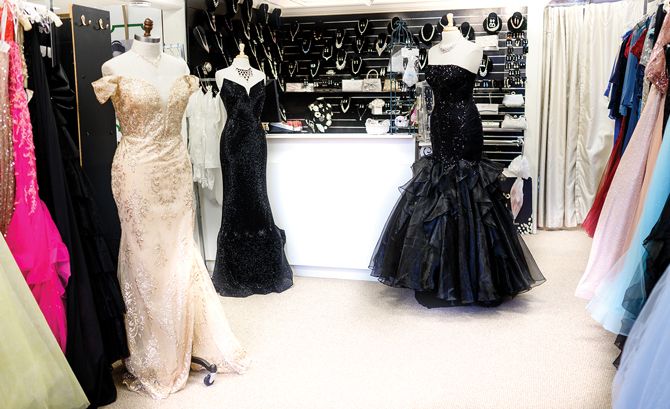
Occasions is only 1,400 square feet. This necessitates making the most of every bit of space.
“I look around and say every piece of this store owes me rent,” Gail says. “So I ask: is this rack paying its rent to me or isn’t it? I think you have to be intuitive enough and know your numbers enough to know when to let a category go and when to add a category.”
Throughout the years, Occasions has parted ways with or cut back drastically on multiple categories, including shoes, gifts, lingerie and bridesmaids, because they weren’t making enough money to justify the square footage.
She is also adept at making the most of every square foot.
“Really, I think sourcing is my secret sauce,” she says. “I grew up in an artistic family, so I think of my store as a museum. You have to know how to curate and have the right mix – especially as a boutique. A salon can afford to have a ton of merchandise but a boutique has to be very mindful because you don’t have the square footage.”
Gail’s wall space is utilized to sell, and it is accessible.
Behind her desk is a slat wall filled with jewelry. Curio cabinets hold merchandise and the few pairs of shoes she still has are left out so people can try them on with a dress.
“I think that if you’re in the fitting room and there’s a display where you can just pick something up and put it on with your dress you’re going to be much more susceptible to wanting to buy it,” she says.
She makes the most of the two large storefront windows, which are a really big draw for customers, diligently changing them and posting on Instagram a window of the day.
“Pay attention to your windows because people are going to drive by and see them and if you have a lazy window and don’t change it (they’ll assume you) have a lazy store,” she says. “You have to be on the cutting edge of changing it all the time.”
Finally, creating an open space where customers can interact with each other has been invaluable, especially on those busy days during prom season when Gail has multiple people in the store at the same time and is running between tasks.
“I can’t always be one on one, so I’ve created a party atmosphere where everyone can talk to each other and sometimes people who just met will even go out to lunch together,” she says. “This big, open space just kind of keeps things flowing naturally, making it fun and effortless.”
Future Plans
Throughout the years, Gail has had multiple people, including customers and relatives, tell her she needs to expand. However, the idea doesn’t interest her.
“I’m doing this because I love it and I don’t feel like I’d have that same feeling, and would lose control, if I expanded or had multiple locations,” she says.
Moving forward, she’s content to stay in her same location, working in the industry she loves, and plans to do it “as long as I’m relevant.”
“Truthfully when I walk in this is my happy place; I get a kick out of being here,” she says. “I know that sounds crazy but I really love what I do and I think my customers really can feel that.”
Acknowledging bridal can be very stressful, even when you have passion, Gail makes a point to take a few minutes and sit quietly if something frustrates or angers her rather than spewing to everybody.
“I’m a big person about meditation,” she says. “And you’ll realize maybe there is a better way to handle things or a solution you haven’t thought of.”
Regardless of the ups and downs, she has no doubt she has found her happy place, and hopes she is creating that for others. “If there is one takeaway I just want everyone to be loved, have fun and feel special here,” she says.